

Heat pump vs. furnace, the honest comparison for Northern Kentucky
Cold-climate performance, upfront cost, 25C tax credit math, and when dual-fuel actually wins.
- When a heat pump makes sense in a Zone 4 climate
- Dual-fuel balance point math for NKY winters
- 25C tax credit: what it's actually worth in 2026
- Honest decision flow for undecided buyers
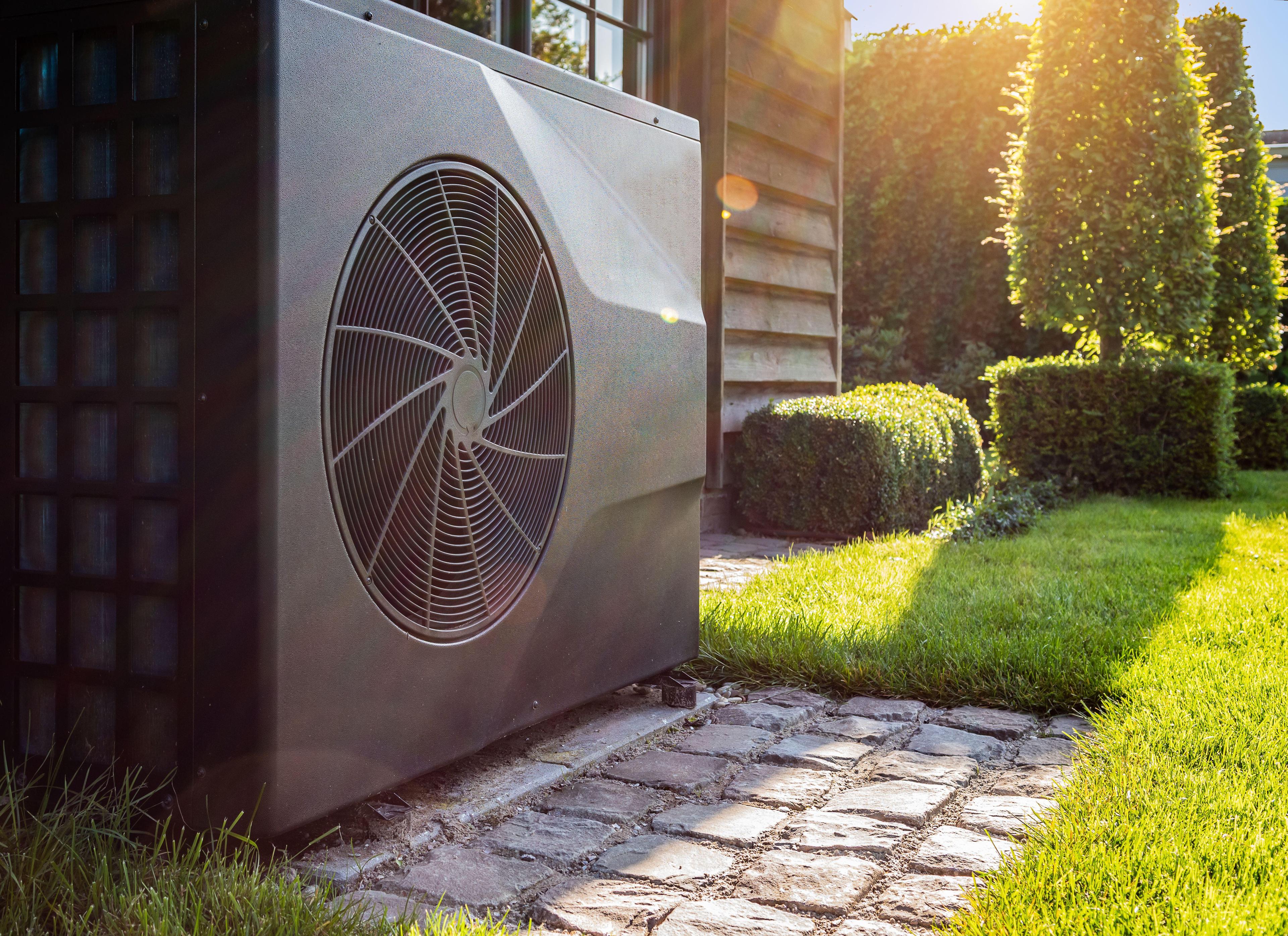
For most Northern Kentucky homes, the honest best answer is a dual-fuel setup: a modern heat pump doing the heavy lifting down to about 35°F, paired with a high-efficiency gas furnace picking up the coldest days. You get the full 25C tax credit, the lowest annual operating cost, and a backup heat source for the 8–10 mornings a year when the temperature drops below 10°F.
If you’re tied to gas prices long-term or you have a brand-new furnace, a straight AC replacement + keep-the-furnace plays make more sense. If you’re on all-electric heat now, a heat pump alone is a clear win. The comparison below shows why.
Furnace vs. heat pump, the head-to-head.
Every row is a real-world decision factor, not a spec sheet. Prices are typical installed costs in our service area.
| Decision factor | Gas furnace | Heat pump |
|---|---|---|
| Typical installed cost | $4,500–$7,500 Single system (heating only) | $11,000–$16,000 Includes cooling, replaces both |
| 25C federal tax credit | Not eligible | Up to $2,000 30% of total cost, capped at $2k/yr |
| Handles cooling too? | No, needs separate AC | Yes, built in |
| Cold-weather performance (0°F) | 100% output Gas doesn't care about outdoor temp | ~60–70% output Cold-climate models; drops further below 0°F |
| Cold-weather performance (35°F) | 100% output | Full output, 3–4x efficiency |
| Monthly operating cost | Gas prices Currently $1.20–$1.50/therm in NKY | Electric rates Duke: ~$0.12/kWh; heat pump is 3x efficient |
| Expected lifespan | 15–20 years | 12–15 years Runs year-round (heating + cooling) |
| Pairs with existing furnace? | N/A | Yes, dual-fuel setup Best of both worlds |
Gas furnace vs. heat pump in Northern Kentucky
| Aspect | Gas furnace | Heat pump |
|---|---|---|
| Typical installed cost | $4,500–$7,500. Single system (heating only) | $11,000–$16,000. Includes cooling, replaces both |
| 25C federal tax credit | Not eligible | Up to $2,000. 30% of total cost, capped at $2k/yr |
| Handles cooling too? | No, needs separate AC | Yes, built in |
| Cold-weather performance (0°F) | 100% output. Gas doesn't care about outdoor temp | ~60–70% output. Cold-climate models; drops further below 0°F |
| Cold-weather performance (35°F) | 100% output | Full output, 3–4x efficiency |
| Monthly operating cost | Gas prices. Currently $1.20–$1.50/therm in NKY | Electric rates. Duke: ~$0.12/kWh; heat pump is 3x efficient |
| Expected lifespan | 15–20 years | 12–15 years. Runs year-round (heating + cooling) |
| Pairs with existing furnace? | N/A | Yes, dual-fuel setup. Best of both worlds |
Which one actually fits your house?
Choose a furnace if…
- You already have good gas service and stable gas pricing.
- Your existing AC is under 10 years old and running well, so you only need to replace the furnace side of the system.
- Your electrical panel is undersized (100A or limited breaker space) and upgrading it isn’t in the budget.
- You live in a well-insulated home with low winter heating load. The payback math on a heat pump shrinks when the furnace runs few hours anyway.
- You want the absolute lowest upfront cost and don’t need cooling improvements.
Choose a heat pump if…
- You’re on electric resistance heat now. A heat pump cuts heating costs 40–60%, full stop.
- You want the 25C federal tax credit: up to $2,000 back on a qualifying installation this tax year.
- Your AC and furnace are both aging and need to be replaced anyway. A heat pump replaces both with one outdoor unit.
- You want to decouple your heating costs from natural gas prices.
- Long-term, you’re considering solar or EV charging, so an all-electric home is a better fit.
- You’re keeping your existing furnace and want to add a heat pump as the primary heat source (the dual-fuel setup described above).
The dual-fuel sweet spot.
Dual-fuel pairs a cold-climate heat pump with a high-efficiency gas furnace. Smart thermostat watches the outdoor temperature and auto-switches the heat source at a balance point you set.
How we configure it for Northern Kentucky: balance point set around 35°F, compressor lockout around 25°F. Above 35°F the heat pump runs: efficient, cheap electricity, quiet. Between 25–35°F the system picks the cheaper source based on outdoor temp. Below 25°F the furnace takes over entirely.
Why this works in our climate specifically: Campbell County averages 3,900+ heating degree days per year, and only about 150 of those come from hours below 20°F (per NOAA’s US Climate Normals for KCVG / Cincinnati). The heat pump does 90%+ of the work; the furnace covers the last 10% at the times it matters most.
Above 35°F: heat pump runs. 3–4x more efficient than gas, cheap, quiet.
25°F to 35°F: smart thermostat picks based on outdoor temp + current gas/electric prices.
Below 25°F: furnace takes over. Heat pump compressor locked out to prevent stress and efficiency collapse.
Up to $2,000 back on a qualifying heat pump.
The Energy Efficient Home Improvement Credit is 30% of equipment + labor, with a $2,000 annual cap specifically for heat pumps (separate from the $1,200 cap for other improvements). Non-refundable. No income limit. Active through 2032.
Stacks with utility rebates (Duke Smartsaver, Owen Electric) which don’t reduce the credit; it’s calculated on pre-rebate cost. We provide the AHRI certificate + itemized invoice; your tax preparer files IRS Form 5695.
Do heat pumps actually work here?
A grounded answer using the actual NOAA normals for Greater Cincinnati / Northern Kentucky, not a brochure.
Cold, but not extreme. Heat pumps are rated for this.
30-year NOAA normal for Cincinnati-NKY region.
The hours where dual-fuel's gas backup earns its keep.
Source: NOAA National Centers for Environmental Information, U.S. Climate Normals (1991–2020), Cincinnati/Northern Kentucky International Airport (KCVG). Heat pump performance figures from AHRI-certified manufacturer COP curves for the cold-climate heat pump tier.
Questions homeowners actually ask.
- Do heat pumps work in Northern Kentucky winters?
- Yes. Modern cold-climate (CC-ASHP) heat pumps produce useful heat down into the single digits. Northern Kentucky sits in IECC Climate Zone 4A: cold, but not extreme. A properly sized heat pump handles the vast majority of our heating hours without breaking a sweat. The coldest 2–3% of the year is where dual-fuel setups earn their money by auto-switching to gas backup.
- How much more expensive is a heat pump upfront?
- A heat pump conversion typically runs $3,000–$5,000 more than an equivalent furnace + AC matched system, before incentives. The 25C federal tax credit covers up to $2,000 of that, and some utilities (Duke Smartsaver, Owen Electric) add another $200–$500 in rebates for qualifying high-efficiency units. After incentives, the real premium shrinks to $500–$2,500, often less than the electric savings pay back over 3–5 years.
- Will my electric bill spike if I switch?
- Depends on what you're replacing. If you're moving from electric resistance heat (baseboard or old electric furnace), a heat pump cuts heating costs 40–60%. If you're moving from a gas furnace to an all-electric heat pump, winter electric bills go up but you eliminate the gas bill. Net annual operating cost is usually within a few hundred dollars of break-even. Dual-fuel setups split the difference by using gas on the coldest days.
- Can I keep my existing gas furnace as the backup?
- Often, yes, and it's frequently the smartest move. A dual-fuel setup pairs a new heat pump with your existing (or a replacement) gas furnace. The heat pump handles everything above the balance point (typically ~35°F); the furnace kicks in below that. You get heat pump efficiency most of the winter and gas reliability on the coldest mornings. The gas furnace doubles as backup if the heat pump ever needs service.
- Does the 25C tax credit apply to installation labor?
- Yes. The Energy Efficient Home Improvement Credit covers 30% of both equipment AND labor costs for qualifying heat pumps, capped at $2,000 per year. Most full installs run $11,000–$16,000 all-in, so the credit usually hits the $2,000 cap. The credit is non-refundable (can't exceed your tax liability) and does not carry over to future years. You take what you can in the install year.
- Which brands do you install for heat pumps and furnaces?
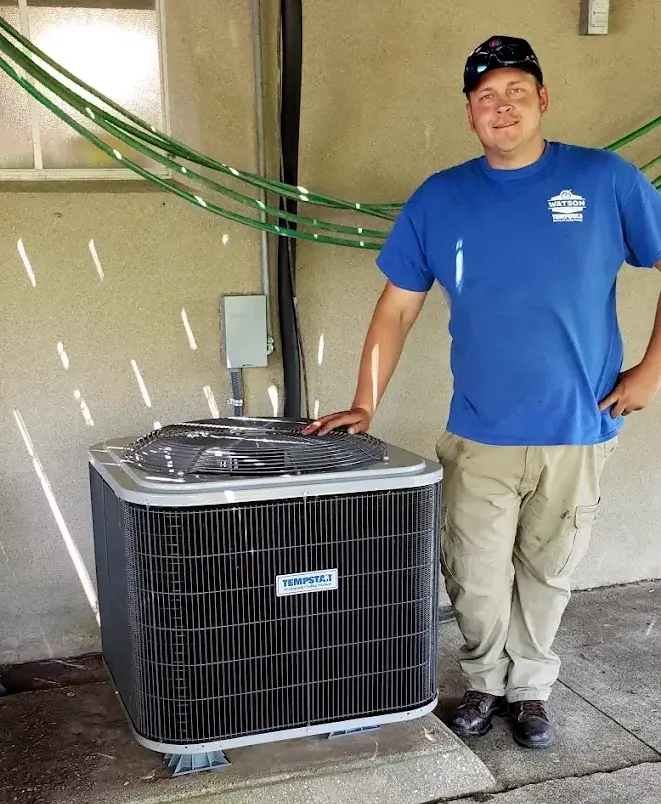
- Primary line is Tempstar (high-efficiency furnaces, ACs, and cold-climate heat pumps) because the price-to-reliability ratio works best for our customers. We'll install Carrier, Lennox, Trane, or American Standard on request, usually at a modest premium. Whatever brand, we size to your house, register the 10-year parts warranty within 90 days, and pull permits where required.
- How long does each install take?
- A straight furnace replacement: one long day. A straight AC replacement: one day. A matched furnace + AC system: 1–1.5 days. A heat pump conversion is the longest because it often involves electrical panel work and new refrigerant lines. Plan on 1–2 days, sometimes a third for larger dual-fuel setups with zoning.
- What if my ductwork is bad?
- We'll tell you before the quote, not after. Roughly 1 in 3 NKY homes we assess has ductwork problems serious enough to affect equipment sizing or comfort: undersized returns, leaky supply trunks, crushed flex runs. Neither a furnace nor a heat pump will work well on bad ductwork. We quote the duct repairs separately so you can see the trade-off. If the ductwork is a disaster, ductless mini-splits become the better path.
We'll run the numbers for your specific house.
Free in-home load + duct assessment. Written quote within 24 hours. No hard pitch, no phantom fees. Whichever direction fits your house, we’ll tell you straight.